|
Body
|
One thing all parents have in common is having too much to do and not enough time to do it – and finding a life balance you’re happy with can be challenging! Interestingly, research suggests that the quality of time spent with our children is more beneficial than the quantity, with a greater positive impact on their academic achievement, behavior and emotional wellbeing.
So, no matter how much time you have with your child, enjoy it.
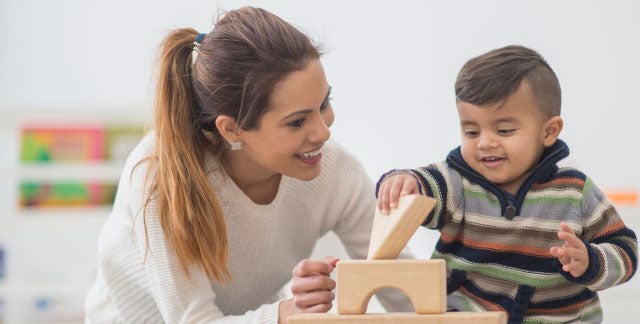
Spending quality time really just means being fully present and focused on your little one when you’re together. So, tune in and be in the moment with them.
Of course, there are positives for both of you as you boost your bond and you have lots of fun together, but there are unseen benefits too – you’ll be instilling good habits in your kids as they observe your behavior. Plus, you’ll be able to understand their strengths or stumbling blocks in their learning and help to address them. Ultimately, you’ll be making your child feel loved, secure and trusted, knowing your full attention is on them.
Try incorporating these ideas into your family life.
1. Get silly, let loose
It’s easy to get caught up with everyday stresses when you’re a parent. So, set that inner child free and get silly with your child! You’ll be showing them it’s good to let your hair down, have fun and be yourself, wherever you are. When you play silly dress-up games, you’re not only creating fun ways to bond, you’ll be encouraging your child’s creativity and imagination to grow too. Even having a laugh by cracking jokes together helps to teach cognitive flexibility through word play. Have your camera at the ready so that you can capture those precious moments with your kids.
2.Involve the children in household chores!
You can start when your child is as young as two years old. You’ll not only get the chores done faster, but you’ll get better at understanding each other and you’ll also be freeing up more time to spend together. Plus, the kids will learn life skills like team work, responsibility, cooperation and self-control. You could even throw in some on-the-spot learning moments for your child; ask them to sort their clothes by color or count the books on the shelf as they tidy.
3. Take up a class together
Whether it’s cooking, music or computing, it’s a good opportunity for bonding as you spark your child’s curiosity to learn new things. Learning together is important so that you can show them that learning hasn’t stopped for you, and there is a value to learning no matter how old you are! As your little one hones their working memory and cognitive flexibility, they’ll also gain self-confidence and critical thinking skills which will prepare them for any challenges that lie ahead in life.
4. Go on a date
When you’re pulled in lots of directions by two or more kids, you may end up not spending quality time with any of them – so why not dedicate a little one-on-one time with your child? Plan and schedule a regular ‘date’ you’ll both love. Make it educational with a trip to the museum or library with your primary schooler, or go on a nature walk with your toddler. Ask plenty of open-ended questions to promote learning – and let your child ask you questions, too. Even time spent reading a bedtime story is a good opportunity for bonding and learning.
5. Play Rose and Thorn
Every day at dinner time, ask each family member to share their “Rose and Thorn”, or the highlight and low point of each day. It’s a great way to connect and helps your child to verbalize their thoughts and get better at communication. It also helps you to identify teachable moments and shows your child that life comes with challenges as well as opportunities. If your little one’s “thorn” is sad or difficult to deal with, have a chat about how to tackle the issue.
Remember: Ditch the guilt about not having enough time to spend with your child, and focus on all the great things you are doing with the time you have. Plan a few things you’d like to do together and enjoy yourself. And you’ll be doing your own wellbeing the world of good too!
UTM-EM-055-APR-21
References:
1. Journal of Marriage and Family – Families under the microscope: repeated sampling of perceptions, experiences, biology and behavior.
2. Ministry of Education, Guyana.
3. Five love languages, revised edition by Gary Chapman.
Secondary references:
Naeyc - Tips for Spending Quality Time With Your Child
The Washington Post - Making time for kids? Study says quality trumps quantity.
|